Audio narration by Maria Sioson
“How did we get here?”
That’s a question I’m asked often... here's the long answer.
- A little history lesson: The rise of broadcast media and the mass audience
- The death of the mass audience
- The rise of individuals as media
- Covid-19 and mass isolation
- Why the right is rising
- Where do we go from here?
1) A little history lesson: The rise of broadcast media and the mass audience
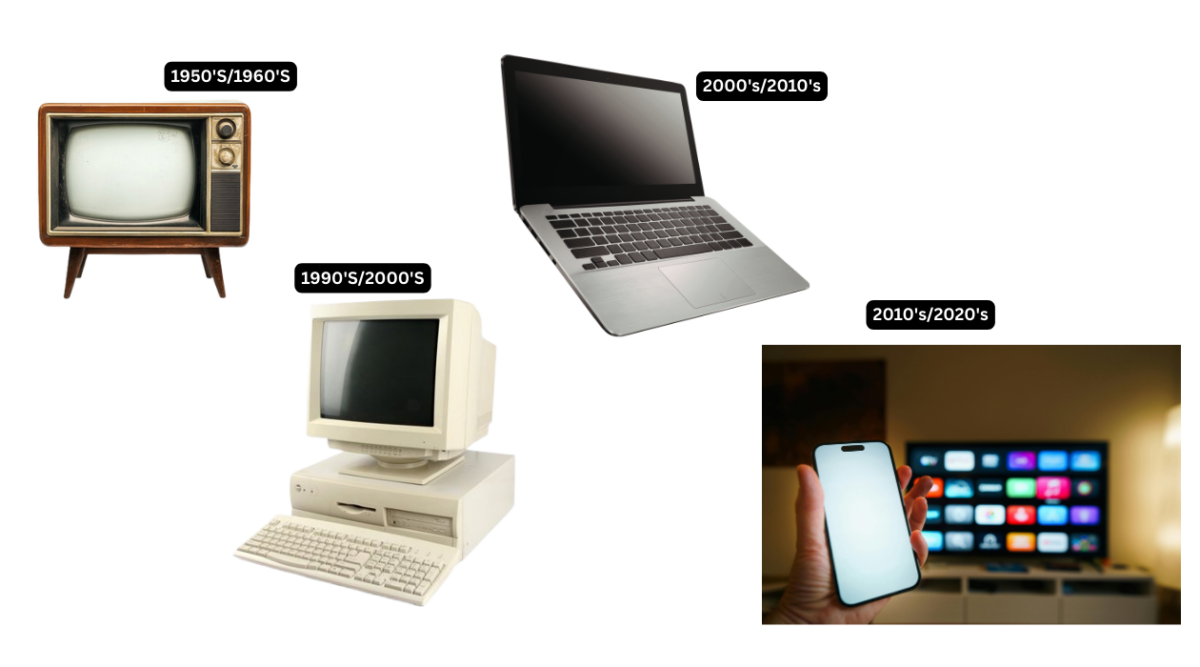
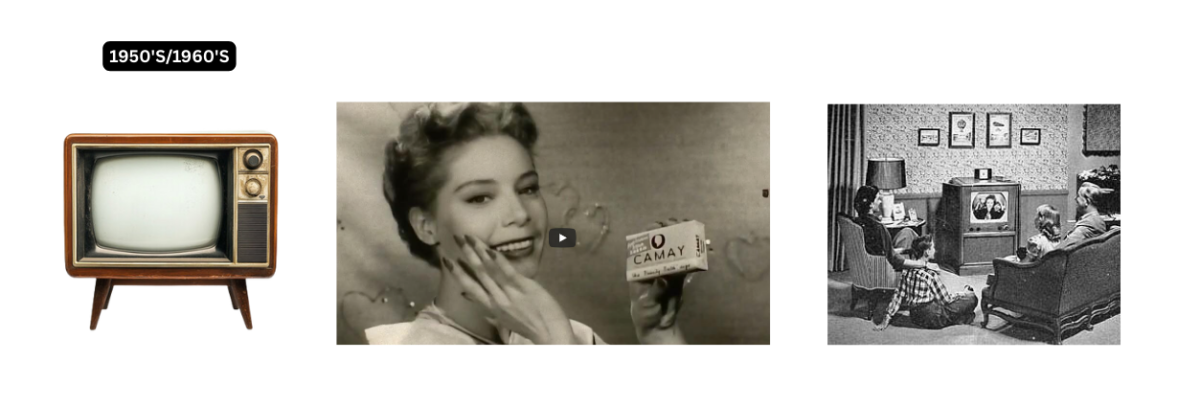
Let’s go all the way back to the television, which became widely commercialized in the 1950's and 60's. TVs became the dominant medium in North America. Advertisers quickly realized that if you could capture attention at scale, you could shape buying behaviour.
Soap operas, for example, were created for a very specific audience: housewives who were at home during the day. The term “soap opera” comes from soap brands that sponsored these shows to sell cleaning or beauty products.
This era was built on one idea: the mass audience. Everyone watched the same shows, saw the same ads, and absorbed the same narratives.
So, going back to the TV... In reality, for consumers, it served as an anchor in the home for the family to get together. Families and friends receive the same message and then react together, have a discussion etc. Before that, radio did something similar, where people gathered, received the same message, reacted, ultimately processing and discussing the topic as a group in "real time".
2) The death of the mass audience
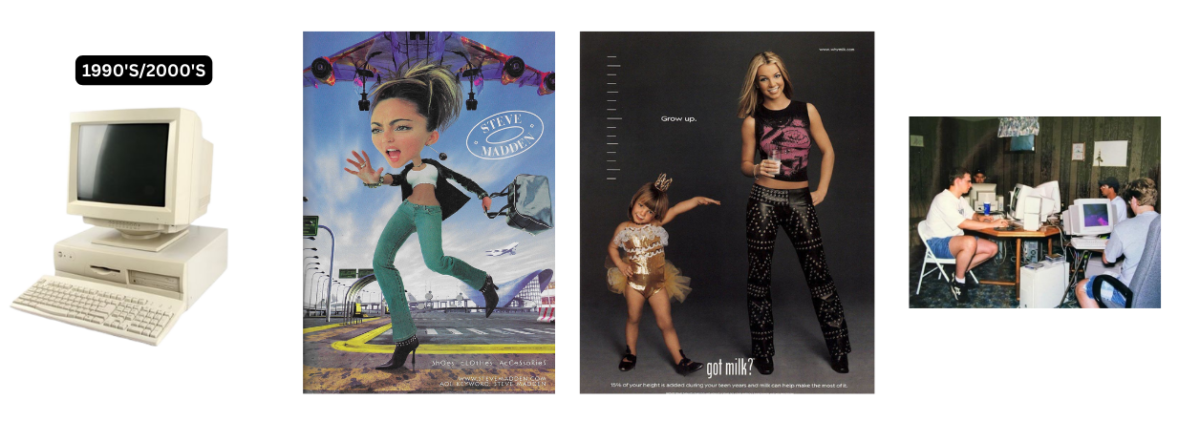
Fast forward to the late 90's/early 2000s, the dial-up modem days that became LAN party days. A new medium had popped up, but we still had many shared cultural anchors. Everyone watched the same shows, read the same magazines, saw the same ads, played the same games.
I remember missing my fav show and then going to school the next day and just not being part of the conversations. But since we all watched the same thing, someone could easily “catch me up” if I missed an episode of the OC.
It created a sense of collective reality - a community! There wasn't really "FOMO", just dealing with the missing out.
Fast forward to today and the mass audience is essentially gone. Media is fragmented across platforms, devices, and communities. Streaming services, social platforms, niche substacks, Discord servers, and podcasts have replaced the idea that everyone tunes into the same thing at the same time.
Instead of a shared cultural feed, we each live inside our own algorithmically curated reality.

3) The rise of individuals as media
Today, individuals are media companies.
The creator economy turned everyday people into broadcasters, publishers, and brands. A single TikTok creator can outperform traditional TV in reach and influence. A Substack writer can rival a newsroom. A YouTuber can build a global entertainment brand.
At first, it was empowering. But over time, it shifted who we trust. People began trusting people, not institutions, not journalists, not experts.
Influence became decentralized, emotional, and personality-driven. And that changed the tone of communication forever. We went from “What’s true?” to “Who do I believe?”
For advertising and marketing, this shifted power away from institutions and toward people. Brands partner with creators instead of only buying TV spots.
4) Covid-19 and mass isolation
Covid-19 accelerated everything.
Lockdowns pushed billions of people online for work, social connection, entertainment, and news. Physical communities collapsed overnight and digital platforms became the primary social infrastructure.
This period also created mass distrust. Institutions felt slow, contradictory, and disconnected from individual experiences. People turned to algorithms, creators, and online communities for information, validation, and belonging.
Social media became not just entertainment, but a source of identity, worldview and survival.
5) Why the right is rising
Right-wing content tends to perform well in algorithmic environments for a few reasons.
It is often emotionally charged, over-simplified, and framed as a battle between good and evil. Since algorithms reward watch time, engagement, and strong reactions, content that triggers fear, anger, or outrage travels faster and further, reaching more people.
We're also in a era of echo chambers and without a shared media baseline, extreme viewpoints can feel normalized and even encouraged.
The reality for consumers... after 2 decades of chaos, people are exhausted. We want simplicity, stability, and control. Right-leaning politics often offer that: a defined enemy and a promise of order. It’s emotional marketing at scale.
When you compare it to more progressive movements, on the other hand, can feel complex and too confusing which doesn’t always land in today's attention span-deficient world.
6) Where do we go from here?
We are living in the first fully algorithmic society. (That's a scary statement)
So, what can we do? As individuals, we can diversify our information diets, follow people with different perspectives, have conversations with people we know in real life, no matter how scary or annoying it might feel and slow down before sharing content designed to provoke emotion. (I'm working on it!)
As creators and marketers, we can prioritize nuance, context, and responsibility over pure reach and numbers.
We need to out there and get involved in policy-making. At the very least, inform yourself and vote! We need stronger digital literacy, transparent algorithms, and better incentives for platforms that reward accuracy and depth. Right now, we're headed in a completely different, even opposite direction.
The mass audience is gone. What replaces it depends on what we as a society choose... Wow... another contender for what might be the scariest and exciting thing in our life time.
Share
Maria Sioson
Global Marketing/Comms Expert (16+ yrs), Writer, Educator
I write about how we communicate in the modern world, personal growth and whatever else grabs my attention.